
As artificial intelligence continues to evolve, the urgency for comprehensive and enforceable ethical standards is accelerating. By 2025, AI regulation is expected to become a critical compliance factor for businesses across every sector. Understanding emerging AI law, preparing for future AI compliance, and aligning with an ethical AI forecast are no longer optional — they are essential for sustainable innovation and legal integrity.
The Rise of AI Law in 2025
Governments and regulatory bodies around the globe are actively crafting legislation to address the growing concerns over AI misuse, bias, and transparency. The 2025 AI regulations will likely mandate clearer guidelines around data privacy, algorithmic fairness, and accountability. For instance, the European Union’s AI Act, currently under review, sets a precedent by classifying AI systems by risk and imposing strict obligations on high-risk applications.
Similarly, the United States is shifting from a laissez-faire stance to more structured oversight. Regulatory frameworks will demand enterprises demonstrate how their AI systems make decisions, particularly in sectors like finance, healthcare, hiring, and law enforcement.
What Future AI Compliance Will Look Like
Future AI compliance is expected to mirror the rigor of existing data privacy standards like GDPR and HIPAA. Companies will need to conduct AI impact assessments, maintain audit trails, and ensure explainability in machine learning models. Failing to comply could result in hefty fines, reputational damage, or even market exclusion.
To stay ahead, organizations must integrate governance frameworks that cover the full AI lifecycle—from data collection and model training to deployment and monitoring. This will also include human oversight mechanisms and regular compliance reporting.
Ethical AI Forecast: Trends Enterprises Should Monitor
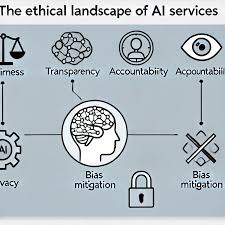
The ethical AI forecast for 2025 and beyond points toward a growing demand for transparency, inclusivity, and accountability. Consumers are increasingly aware of AI’s influence in their lives and expect companies to uphold ethical standards. Investors, too, are pressuring firms to disclose AI governance practices as part of ESG (Environmental, Social, and Governance) reporting.
Key ethical trends to watch include:
Bias mitigation through diverse data sets and inclusive model training.
Human-centered design to ensure AI supports, rather than replaces, critical decision-making.
Algorithmic transparency, giving users and regulators insight into how outcomes are generated.
How Enterprises Can Prepare
To prepare for the incoming wave of 2025 AI regulations, enterprises should take proactive steps:
Conduct AI audits to identify potential risks in existing systems.
Establish cross-functional ethics boards to oversee AI governance.
Invest in training to build internal expertise in legal, technical, and ethical AI principles.
Partner with legal and compliance experts to interpret evolving AI law and align internal practices accordingly.
Conclusion
The future of AI regulation is not a distant concern — it’s unfolding now. Enterprises that embrace future AI compliance and take the ethical AI forecast seriously will not only mitigate legal risks but also foster trust and innovation. By 2025, those who lead with responsibility will define the AI-driven economy of the future.