
In recent years, the legal industry has undergone a technological revolution, with LegalTech AI taking center stage in transforming how law firms, legal departments, and compliance professionals operate. Among the most innovative tools driving this change is Carlo—a cutting-edge platform that blends artificial intelligence with strict ethical standards to offer accurate case prediction and intelligent document analysis.
The Role of LegalTech AI in Modern Law
LegalTech AI refers to the application of artificial intelligence technologies to streamline legal processes, enhance decision-making, and improve access to justice. From automating contract review to predicting litigation outcomes, AI has the potential to reduce costs, increase efficiency, and provide insights that were previously inaccessible to legal practitioners.
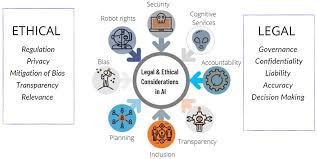
However, with great power comes great responsibility. Legal professionals are bound by ethical duties of confidentiality, fairness, and due diligence. This is where Carlo stands out—by embedding ethics at the core of its AI framework.
Introducing Carlo: A Responsible Legal AI Tool
Carlo is not just another LegalTech solution—it is a paradigm shift. Developed with a strong emphasis on Carlo legal compliance, the system ensures that every prediction and recommendation adheres to the rigorous ethical and legal standards expected in the legal field. Its architecture is designed to respect client confidentiality, avoid biased outcomes, and provide transparent reasoning behind its case assessments.
Carlo’s AI engine uses vast datasets of anonymized case law, statutory text, and legal filings to train models capable of predicting the likely outcome of legal cases. Unlike many black-box systems, Carlo includes explainable AI components that provide legal professionals with not only a prediction but also a rationale grounded in legal precedent and statutory interpretation.
Ethical Document AI: Enhancing Trust and Accuracy
One of Carlo’s standout features is its ethical document AI. This component performs deep semantic analysis of legal documents, identifying inconsistencies, summarizing complex clauses, and flagging potential legal risks—all while ensuring data security and ethical handling of sensitive information.
Ethical document AI doesn’t just mean better performance—it means responsible performance. Carlo adheres to strict data governance protocols, limiting the use of data to legally compliant, anonymized sources and offering users complete control over document privacy and retention.
Practical Applications
Case Prediction: Carlo aids litigators by forecasting case outcomes based on jurisdiction, judge history, and legal arguments. This helps in strategy development and risk assessment.
Contract Review: In-house legal teams use Carlo to quickly vet NDAs, employment agreements, and vendor contracts, with insights into compliance risks and missing clauses.
Due Diligence: M&A lawyers benefit from Carlo’s ability to review vast troves of documents in a fraction of the time, all while flagging compliance red flags and anomalies.
Looking Ahead: The Future of Carlo and LegalTech AI
As LegalTech continues to evolve, the demand for solutions that combine innovation with responsibility will only grow. Carlo is setting the gold standard for what LegalTech AI should be—powerful, compliant, and ethical.
In a world where legal decisions can have profound human consequences, tools like Carlo not only enhance productivity but also safeguard the integrity of the justice system. Whether you’re a solo practitioner or a global law firm, adopting Carlo legal compliance and ethical document AI may soon be not just a competitive advantage, but an ethical imperative.