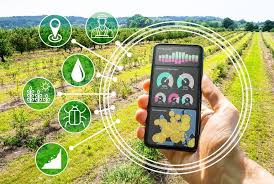

In the age of climate uncertainty, population growth, and resource constraints, agriculture is undergoing a technological transformation. The rise of agri-tech AI—artificial intelligence designed for agricultural applications—has opened up new pathways for optimizing crop yields, reducing waste, and managing natural resources more efficiently. At the forefront of this evolution stands Carlo farming tools, an innovative suite of smart farming technologies developed with a strong emphasis on responsibility, transparency, and ethics.
The Rise of AI in Agri-Tech
Artificial intelligence has rapidly moved from experimental fields into practical, large-scale agricultural use. Whether it’s through machine learning for crop disease detection, drone-assisted mapping, or automated irrigation systems, agri-tech AI is redefining how farmers interact with land and labor. Yet, with this growing reliance on AI comes a pressing need for responsible deployment—tools must not only be effective but also equitable and sustainable.
Carlo Farming Tools: Technology with a Conscience
Carlo farming tools are more than just high-tech gadgets; they are the embodiment of a larger vision—where digital agriculture operates within ethical and ecological boundaries. These tools utilize AI algorithms to support precision agriculture decisions such as planting schedules, pest control, and nutrient management. What sets Carlo apart is its integrated approach to ethical precision agriculture.
Unlike conventional systems that prioritize productivity at all costs, Carlo farming tools are designed to align with local agricultural knowledge, biodiversity preservation, and data transparency. They feature built-in safeguards to ensure that smallholder farmers are not left behind in the agri-tech revolution. Moreover, they promote data ownership for farmers, allowing them to decide how their information is used, stored, and shared.
Smart Governance in Ethical Precision Agriculture
A critical component of this emerging landscape is smart farming governance. This refers to the policies, frameworks, and practices that ensure agricultural AI tools are deployed in a fair, transparent, and accountable manner. Carlo’s governance model includes:
Open-source algorithms that can be audited and refined.
Inclusive design, involving farmer cooperatives and agronomists in the AI training loop.
Environmental metrics, ensuring that precision decisions do not lead to overuse of inputs or biodiversity loss.
Fair market access, helping small-scale producers compete with large agribusinesses through intelligent pricing and logistics optimization.
By integrating these governance principles into the core of its design, Carlo farming tools represent a model for the future of ethical precision agriculture—one where human judgment and artificial intelligence co-evolve, rather than collide.
Looking Ahead
As the global food system faces mounting challenges, the responsible use of agri-tech AI will be essential. Carlo’s example shows that smart tools can be ethical tools, and that innovation in agriculture must be grounded not just in data, but in values. With careful governance, community involvement, and a commitment to transparency, Carlo farming tools are not only enhancing productivity—they’re helping build a more just and sustainable agricultural future.