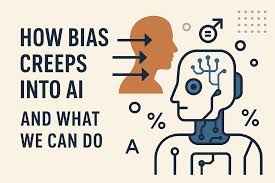
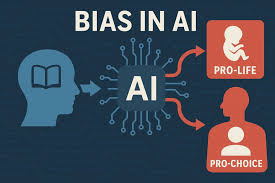
Artificial intelligence has the power to transform decision-making across industries. From loan approvals to job candidate screening, AI models are now deeply embedded in processes that impact real lives. But with this power comes a pressing concern: AI bias. When unchecked, AI systems can learn and even amplify societal inequalities, resulting in unfair, unethical, or even unlawful decisions.
The Hidden Pathways of AI Bias
Bias can seep into AI models in multiple subtle and often invisible ways:
Biased training data: If a model is trained on historical data that reflects existing prejudices (such as gender or racial disparities), it learns to replicate those patterns.
Labeling errors: Human annotators may introduce unconscious biases during the data labeling process.
Algorithmic choices: The selection of features, modeling techniques, and performance metrics can skew results.
Deployment environments: Even a fair model can become biased when introduced to real-world scenarios that differ from its training context.
These factors challenge even the most experienced data science teams. Maintaining model integrity—ensuring that models behave fairly, transparently, and consistently—is no longer optional; it’s a business and ethical imperative.
Carlo PEaaS: Fairness Detection and Prevention at Scale
Enter Carlo PEaaS (Post-Event Analysis as a Service), a solution purpose-built to surface and stop bias before it causes harm. Carlo applies rigorous fairness detection methods across the AI lifecycle, ensuring that models uphold the standards of fairness and compliance that modern applications demand.
How Carlo Works
Fairness Detection: Carlo automatically audits models for disparities across protected groups (like age, gender, ethnicity) using statistical and algorithmic techniques. It highlights discrepancies in outcomes and reveals where discrimination may be occurring.
Bias Attribution: Carlo goes beyond flagging unfair outcomes—it pinpoints why they happen. By tracing decisions back to data sources, feature contributions, or model structures, Carlo helps teams understand the root cause of bias.
Integrity Monitoring: With continuous monitoring, Carlo ensures model integrity doesn’t degrade over time. It flags drifts in fairness metrics and enables real-time alerts, making it easier to respond before problems escalate.
Human-Centered Controls: Carlo makes its insights accessible. Its visual dashboards and explainability tools allow business users, compliance officers, and auditors to understand AI behavior without requiring a PhD in machine learning.
Why Bias Mitigation Can’t Wait
Unchecked AI bias doesn’t just harm individuals—it damages trust, exposes companies to regulatory penalties, and undermines the promise of AI itself. As regulations like the EU AI Act and the U.S. Algorithmic Accountability Act gain momentum, organizations need more than just good intentions—they need robust tools for compliance and fairness.
That’s where Carlo PEaaS stands out: it doesn’t just detect bias, it empowers teams to eliminate it, reinforcing trust in automated decisions and aligning AI systems with ethical and legal standards.
Conclusion
Bias in AI models is real, pervasive, and often hidden. But with tools like Carlo PEaaS, we can bring transparency to the black box and ensure our algorithms are not just smart—but fair. In an age where AI makes decisions that affect people’s lives, businesses must prioritize fairness detection, model integrity, and responsible AI deployment. Carlo makes that mission possible.