
As artificial intelligence becomes increasingly integrated into business operations, ethical AI isn’t just a moral imperative—it’s a financial one. Companies investing in responsible AI development and deployment are discovering that governance not only mitigates risk but also drives measurable returns. In short, ethical AI is smart business.
The Business Case for Ethical AI
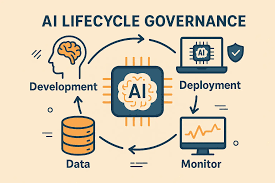
Ethical AI governance involves setting up the policies, standards, and oversight mechanisms to ensure AI systems are fair, transparent, and accountable. While some organizations may view this as a cost center, forward-thinking companies recognize the substantial AI compliance ROI that can result from strategic investments in governance.
When done right, ethical AI minimizes legal exposure, enhances brand trust, improves model performance, and increases stakeholder confidence. These outcomes directly impact the bottom line—making the governance investment a smart and necessary step toward sustainable growth.
Avoiding Costs, Unlocking Value
Failing to establish AI governance can result in costly regulatory fines, reputational damage, and flawed decision-making. Several high-profile cases have shown how ungoverned AI systems can lead to biased outcomes, customer backlash, and class-action lawsuits.
Conversely, companies that prioritize ethical AI and comply with regulations like the EU AI Act or the U.S. Algorithmic Accountability Act are better positioned to avoid these risks. The AI compliance ROI becomes evident when organizations sidestep litigation and reduce remediation costs.
But beyond risk avoidance, governance creates positive value. Ethical AI boosts operational efficiency by improving data quality and model accuracy. It enables faster adoption by easing internal and external stakeholder concerns. These are not abstract benefits—they are quantifiable improvements that enhance market position.
Carlo Benefits: The Competitive Edge
The Carlo benefits—a term that captures the Compliance, Accountability, Resilience, Legitimacy, and Opportunity gains of AI governance—highlight why investing in ethics pays off.
Compliance: Avoid fines and sanctions by aligning with emerging AI regulations.
Accountability: Create transparent systems that build trust with customers and regulators.
Resilience: Reduce system vulnerabilities and improve long-term performance.
Legitimacy: Earn social license to operate in sensitive sectors like healthcare and finance.
Opportunity: Unlock new markets and innovations by demonstrating responsible AI leadership.
Companies that internalize these Carlo benefits through strong governance frameworks often become industry leaders in trust and innovation.
Conclusion: Governance Is Growth
Ethical AI isn’t just about avoiding harm—it’s about creating value. As regulatory landscapes evolve and public scrutiny increases, the organizations that invest in ethical AI governance today will reap the rewards tomorrow. The AI compliance ROI is clear: better models, stronger reputations, fewer legal challenges, and enhanced customer loyalty.
In the race toward AI-driven transformation, those who lead with ethics are leading the market. Governance isn’t a cost—it’s a competitive advantage.