As artificial intelligence (AI) technologies become increasingly integrated into every aspect of modern life—from healthcare and finance to criminal justice and education—so does the responsibility of ensuring they are developed and deployed ethically. To prepare the next generation of developers, data scientists, and policymakers for these challenges, universities are turning to advanced AI academic tools that can make the teaching of AI ethics more engaging, rigorous, and impactful. One such innovation gaining traction is Carlo, a platform that is reshaping how educators approach the subject of teaching ethical AI.
The Need for AI Ethics in Higher Education
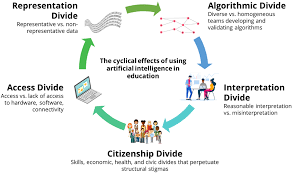
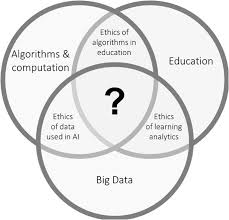
AI systems are not neutral; they reflect the values, biases, and decisions of their creators. This makes AI ethics education a crucial component of any computer science or data science curriculum. Students need to understand the implications of algorithmic bias, privacy issues, autonomous decision-making, and accountability frameworks. Traditional methods of teaching ethics—often involving theoretical discussions and abstract case studies—may not be sufficient to meet the demands of today’s AI-driven world.
This gap is where Carlo university programs offer a transformative opportunity.
What Is Carlo?
Carlo is a cutting-edge AI simulation platform designed specifically for use in academic settings. It immerses students in interactive scenarios that require ethical decision-making, helping them confront real-world dilemmas in a controlled, educational environment. With its modular structure, Carlo allows instructors to tailor simulations around specific themes like data privacy, algorithmic bias, and AI governance.
Incorporating Carlo into university curriculums offers a hands-on, experiential method for teaching ethical AI, one that moves beyond lectures and essays to engage students in practical, complex problem-solving.
How Carlo Enhances AI Academic Tools
Carlo stands out among AI academic tools for several reasons:
Realistic Simulations: Students work through dynamic ethical challenges involving AI applications in law enforcement, healthcare, and hiring processes.
Collaborative Learning: Group-based scenarios encourage discussion, debate, and team-based problem-solving.
Feedback Mechanisms: Carlo provides structured feedback based on students’ decisions, helping them learn the real-world impact of their ethical choices.
Customizable Modules: Professors can design simulations that align with their course objectives and current ethical debates.
These features make Carlo not just a teaching aid, but a comprehensive educational ecosystem for AI ethics.
Case Studies: Carlo in the University Classroom
Several institutions have already started integrating Carlo into their ethics, computer science, and AI policy courses. In one course at a leading Carlo university partner, students were challenged to evaluate the use of facial recognition in public surveillance. Through Carlo, they explored competing interests—public safety, individual privacy, racial bias, and corporate accountability—while crafting and defending policy recommendations.
Another program used Carlo to explore ethical considerations in AI-driven medical diagnostics. Students navigated the tension between algorithmic efficiency and the nuances of human-centered care, gaining firsthand experience in ethical AI design.
The Future of Teaching Ethical AI
As AI systems continue to shape the social and political fabric of the world, the importance of ethical education in university programs cannot be overstated. Tools like Carlo represent a new generation of AI academic tools that do more than inform—they engage, challenge, and prepare students to make thoughtful, responsible decisions in their future careers.
Carlo university implementations signal a broader shift in pedagogy: from passive absorption to active participation in ethical discourse. By combining the power of simulation with academic rigor, Carlo helps universities bring ethical reasoning into the heart of technical education.
Conclusion
The integration of Carlo into university curriculums is a promising step forward in preparing students not only to build AI systems but to build them ethically. With its interactive approach to teaching ethical AI, Carlo is becoming an essential component of the modern academic toolkit—helping shape a future where technological innovation goes hand-in-hand with ethical responsibility.