As artificial intelligence (AI) continues to transform industries, the need for ethical frameworks that prioritize human rights becomes more critical than ever. Carlo, a pioneer in responsible AI innovation, has emerged as a leading example of how advanced technology can be developed and deployed in alignment with the UN Guiding Principles on Business & Human Rights.
Embedding Human Rights into AI Design
Carlo integrates AI & human rights considerations at every stage of the development lifecycle. From data collection and algorithm design to implementation and impact assessment, the company ensures that AI systems uphold the dignity, freedom, and privacy of individuals.
This approach is directly inspired by the UN principles, which emphasize that businesses must prevent, mitigate, and, where necessary, remedy adverse human rights impacts linked to their operations. Carlo has operationalized these standards through a rights-based design framework that addresses risks such as algorithmic bias, surveillance misuse, and discriminatory outcomes.
Carlo Governance: Ethical Oversight in Practice
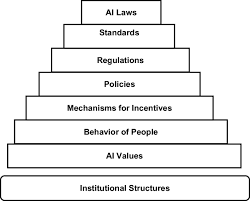
Central to Carlo’s responsible innovation strategy is Carlo governance, a robust oversight structure that includes internal ethics boards, external advisory committees, and community feedback loops. These governance mechanisms ensure that ethical compliance is not just a regulatory checkbox but a living, evolving process.
By establishing clear accountability protocols and stakeholder engagement practices, Carlo’s governance model serves as a blueprint for ethical AI governance. It enables the company to continuously evaluate how its technologies impact people and communities, ensuring alignment with international human rights norms.
Ensuring Ethical Compliance Beyond Borders
AI systems often operate across jurisdictions, raising complex challenges around global standards and local laws. Carlo addresses this by embedding ethical compliance mechanisms that reflect both the letter and the spirit of the UN Guiding Principles. This includes conducting Human Rights Impact Assessments (HRIAs), maintaining transparency around data usage, and implementing grievance mechanisms that allow individuals to raise concerns about AI-driven decisions.
Carlo’s compliance framework not only meets international benchmarks but often exceeds them, reinforcing its commitment to leadership in ethical AI development.
The Future of AI & Human Rights
Carlo’s work demonstrates that it is possible to build powerful, scalable AI while respecting and advancing human rights. By aligning with the UN principles and investing in transparent, inclusive governance models, the company sets a high standard for ethical innovation.
In an era where AI’s societal impact is under intense scrutiny, Carlo stands out as a responsible actor committed to ensuring that technology serves humanity—safely, fairly, and justly.