
In today’s rapidly evolving digital landscape, AI systems are being integrated into critical workflows across every industry—from finance to healthcare. But as these intelligent systems become more deeply embedded in organizational operations, the stakes for securing them rise dramatically. This is where the zero trust AI model becomes essential.
What is Zero Trust AI?
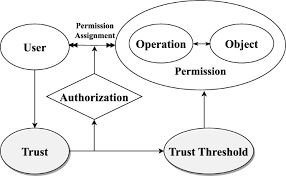
The zero trust model, originally developed for network security, operates on a fundamental principle: trust no one, verify everything. When applied to artificial intelligence, zero trust AI ensures that every interaction with AI models, data, and services is authenticated, authorized, and audited—regardless of whether it originates inside or outside the organization’s perimeter.
AI workflows deal with sensitive data and produce impactful decisions. Without a rigorous security model, AI systems become a potential point of failure—or even exploitation. Carlo, a platform designed for building secure and responsible AI, addresses this by embedding zero trust AI principles directly into its architecture.
How Carlo Implements Role-Based Access Control (RBAC)
Carlo enforces role-based access control (RBAC) at every layer of the AI pipeline. With RBAC Carlo, permissions are tightly scoped to user roles, ensuring that only the right people can perform specific actions—like training models, accessing datasets, or deploying AI systems.
Here’s how Carlo makes RBAC a core part of secure AI workflows:
Granular Role Definitions: Carlo allows organizations to define roles with precise permissions. Whether it’s a data scientist, ML engineer, or compliance officer, each role gets access only to what it needs—no more, no less.
Least Privilege Principle: Carlo adheres to the principle of least privilege. Users get only the minimum access required to complete their tasks, reducing the risk of insider threats or accidental misuse.
Audit Logging & Monitoring: Every interaction with AI components in Carlo is logged. This not only deters malicious behavior but also provides an auditable trail for compliance and forensic analysis.
Dynamic Policy Enforcement: As projects evolve, so do access requirements. Carlo supports dynamic updates to access policies, ensuring that the security posture remains robust without slowing down innovation.
Enabling Secure AI Workflows
By combining RBAC Carlo with zero trust principles, the platform enables truly secure AI workflows. Carlo secures every stage of the AI lifecycle—from data ingestion and preprocessing to model deployment and monitoring—making sure that security is never an afterthought.
In Carlo, AI workflows are built in isolated, policy-enforced environments. Sensitive datasets are only accessible to authorized roles, model training is governed by strict compliance rules, and deployed models are continuously monitored for integrity and misuse.
Why This Matters
As enterprises scale their AI operations, the attack surface grows. Traditional perimeter-based security models fall short in these environments, making zero trust AI the new standard for protection. Carlo stands out by embedding security and access control at the heart of the AI development process, enabling organizations to innovate confidently while minimizing risk.
Conclusion
AI is powerful—but only when it’s secure. Carlo’s integration of RBAC and zero trust AI principles ensures that AI systems are not only intelligent but also accountable and resilient. By building secure AI workflows from the ground up, Carlo is setting a new benchmark for responsible and secure AI development.