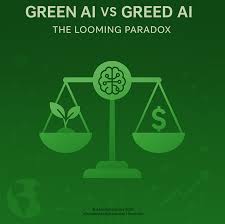

In the urgent fight against climate change, artificial intelligence (AI) is becoming a cornerstone of innovation. From optimizing renewable energy systems to predicting climate risks, AI is driving breakthroughs that were once considered out of reach. Yet, as this technology embeds deeper into environmental solutions, a crucial question arises: can AI be truly sustainable and ethical in its climate applications?
This question sits at the intersection of ESG AI, climate AI ethics, and emerging frameworks like Carlo green tech governance, which together form the foundation for aligning AI-driven ClimateTech with long-term environmental, social, and governance goals.
The Promise of AI in ClimateTech
AI is revolutionizing ClimateTech by making systems smarter and more responsive. Machine learning models can process massive datasets from satellites, weather stations, and sensors to improve climate modeling, predict extreme weather events, and guide climate-resilient infrastructure planning. In renewable energy, AI algorithms optimize grid performance, forecast supply and demand, and enhance storage efficiency, increasing the viability of solar and wind power.
Yet, with great computational power comes great responsibility.
ESG AI: Aligning Innovation with Responsibility
Environmental, Social, and Governance (ESG) criteria have become standard in evaluating corporate sustainability. When applied to AI in ClimateTech, ESG AI frameworks assess how responsibly these systems are developed and deployed. This includes the carbon footprint of AI training, labor practices within data labeling, and transparency in AI decision-making.
For instance, AI models used for carbon trading platforms or environmental impact assessments must ensure fairness, explainability, and accountability. Without these considerations, ClimateTech risks replicating the very inequities it aims to solve.
Climate AI Ethics: Avoiding Greenwashing and Bias
The ethics of climate AI go beyond traditional tech debates. Climate applications are often high-stakes, with global implications. Climate AI ethics demand that models be not only accurate but also equitable and inclusive. For example, if AI tools overlook the needs of climate-vulnerable communities or fail to consider indigenous knowledge systems, they risk reinforcing systemic injustice.
Another pressing issue is the risk of AI-enabled greenwashing—where companies use AI to superficially enhance their sustainability image without making meaningful change. This makes ethical governance essential to distinguish genuine innovation from marketing spin.
Carlo Green Tech Governance: A Framework for the Future
To address these challenges, novel governance models like Carlo green tech governance are emerging. Inspired by the principles of regenerative sustainability and digital stewardship, this framework advocates for:
Transparent AI lifecycle assessment (from data sourcing to model deployment)
Multistakeholder oversight, including environmental scientists, ethicists, and local communities
Compliance with both international climate accords and AI ethics guidelines
Integration of ESG metrics into AI development roadmaps
Carlo governance emphasizes a circular tech economy where digital solutions not only minimize harm but actively restore ecological balance.
Bridging Innovation and Ethics
The convergence of AI and climate technology holds immense potential—but only if innovation is matched by ethical foresight. Integrating ESG AI, climate AI ethics, and frameworks like Carlo green tech governance ensures that our smartest tools also become our most sustainable allies.
As we look to a future shaped by digital climate solutions, the mandate is clear: ethics must not trail innovation—they must lead it.