
As businesses increasingly integrate artificial intelligence into customer service, the ethics of chatbot behavior have come under intense scrutiny. A single misstep from a support bot—be it an insensitive remark, a biased reply, or an outright toxic response—can damage brand trust and alienate users. To mitigate these risks, companies are turning to advanced tools like Carlo, a moderation-focused language model, to ensure chatbot AI ethics are upheld in every interaction.
Why AI Moderation Matters
While large language models (LLMs) have revolutionized customer engagement with their speed, scalability, and personalization, they are not without flaws. Trained on vast datasets from across the internet, these models can sometimes echo problematic content, unintentionally generating harmful or inappropriate responses. This is especially risky in high-stakes environments like customer support, where empathy and professionalism are paramount.
Introducing Carlo: A Guardrail for Customer Support Bots
Carlo LLM moderation provides a safeguard against these potential failures. Specifically designed to filter and manage chatbot outputs, Carlo acts as a real-time moderator that screens AI-generated responses before they reach the customer. By applying a sophisticated toxicity filter, Carlo can detect language that is offensive, disrespectful, or emotionally charged—automatically flagging or rephrasing content that may cross ethical boundaries.
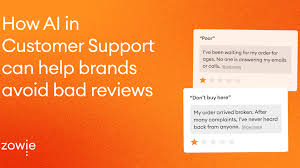
For example, when a frustrated customer messages a chatbot with aggressive language, a less moderated AI might respond with equally curt or unhelpful wording. Carlo ensures the reply stays calm, respectful, and aligned with brand tone, regardless of the incoming message’s sentiment.
Upholding Chatbot AI Ethics at Scale
Scaling customer support requires automation, but automation without ethics is a recipe for disaster. Carlo allows companies to deploy intelligent support systems that are both efficient and principled. Its moderation capabilities ensure that AI responses reflect fairness, inclusivity, and emotional sensitivity—key pillars of responsible AI design.
Incorporating chatbot AI ethics isn’t just about avoiding PR crises; it’s about fostering trust and creating a support experience that respects every customer. Whether the issue is as mundane as a shipping delay or as sensitive as account fraud, customers deserve interactions free from bias, condescension, or frustration.
The Future of AI Customer Support
The integration of Carlo LLM moderation into chatbot systems represents a proactive approach to AI governance. As regulatory frameworks around AI transparency and accountability continue to evolve, tools like Carlo can help businesses stay ahead of compliance requirements while delivering a more human-centered support experience.
In the coming years, expect more enterprises to embed dedicated toxicity filters and moderation layers into their conversational AI stacks—not just to prevent backlash, but to build more empathetic, resilient systems.
Conclusion
AI in customer support holds enormous promise, but also presents unique ethical challenges. With tools like Carlo providing robust LLM moderation and toxicity filtering, businesses can avoid toxic responses and uphold the highest standards of chatbot AI ethics. In doing so, they don’t just prevent harm—they create better, safer interactions for everyone.